
Most sell-versus-hold conversations are not about the building.
They are about a partnership that no longer functions the way it did when it was formed. They are about a trustee who has to put a defensible record in front of beneficiaries by the end of the year. They are about an owner who looked at this year's depreciation schedule and saw the runway shortening. The building is the artifact. The decision is sitting somewhere else.
That observation does not make the analytical work go away. It just relocates where the work actually lives. What follows is how we walk owners and fiduciaries through this question on office, retail, industrial, and mixed-use assets in San Diego County, written with the understanding that the building is rarely the part of the conversation that needs the most attention.
The Number That Decides Most of It

The single most useful figure in any hold-versus-sell conversation is not the asking price the broker put in front of you last quarter. It is yield on remaining basis: trailing or projected NOI divided by what is actually invested in the asset today, not what the asset would sell for.
Two buildings with identical market values can produce opposite answers depending on this one number. An asset bought in 2014 at a low basis, partially refinanced, partially paid down, sitting on a stabilized rent roll, is often producing a yield on basis that today's market simply will not let you replicate with the proceeds of the sale. The headline cap rate looks compressed. The actual return on the dollars you have in the deal is fine.
In most cases, the sell-versus-hold conversation reduces to whether the proceeds, net of disposition tax, can be redeployed at a yield that beats the yield on basis. If they cannot, hold. If they can, the conversation moves to whether the redeployment is a real plan or a hope. (More on that in a moment.)
When the Sell Case Writes Itself
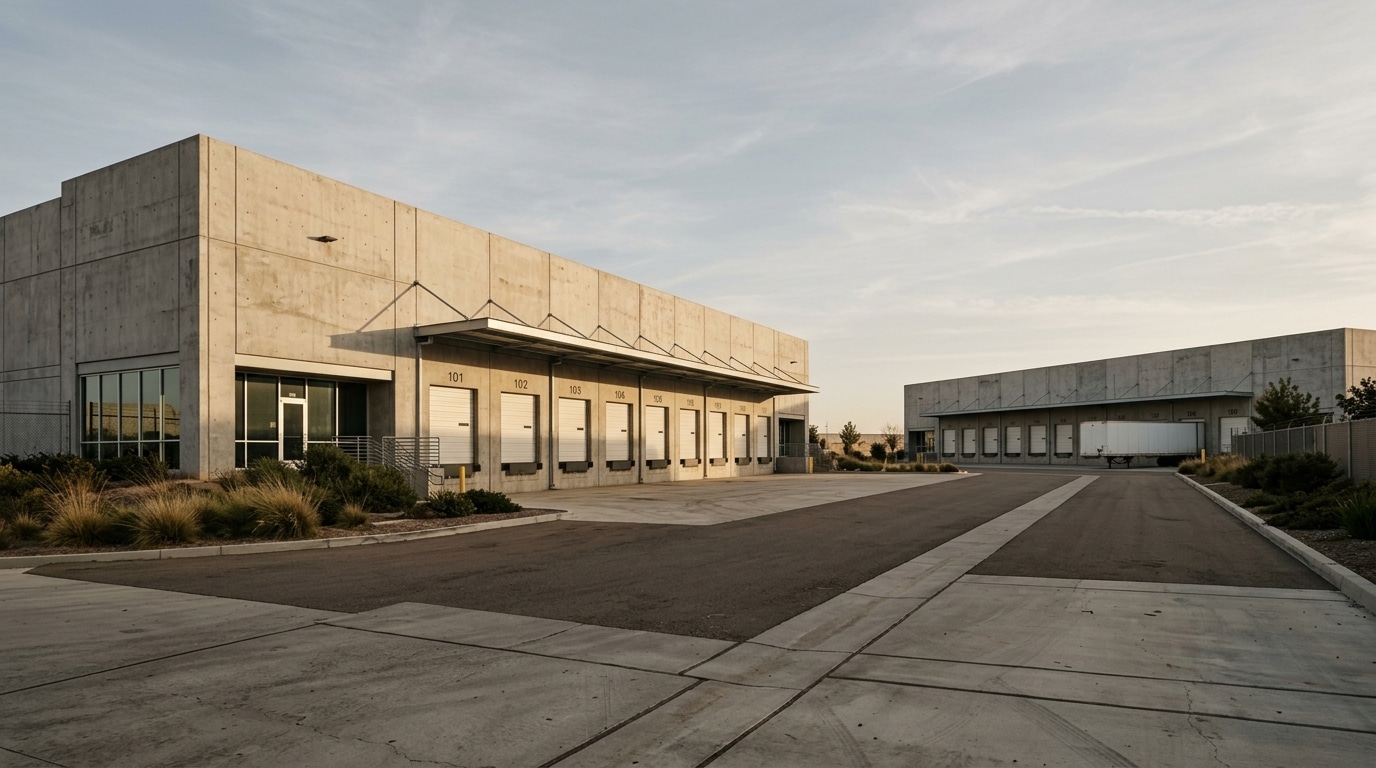
Some sell cases announce themselves. The ones that do tend to share a shape:
The submarket has come to the asset. A current Broker Opinion of Value shows the building priced on something other than the in-place income: a redevelopment story, an adjacency that moved, a use that became scarce in the submarket. Sorrento Valley converted-lab supply, certain UTC trophy parcels, and pockets of North County medical office can sit in this position. The question to test is whether that pricing premium is durable. Two years of curiosity from one buyer is not the same as a market.
The building is entering its capital-heavy years. Roof, HVAC, parking, facade, elevator modernization, full-floor TI cycles. Buildings move through long capital-light runs and shorter capital-heavy ones, and an asset facing thirty-six months of compounded capital usually produces a stronger sell case than the trailing income alone suggests. The next holder inherits the work the current owner has been postponing, and that math is rarely in the seller's favor if it gets pushed two more years.
Ownership-side reasons have moved. Estate planning. The dissolution of a partnership that has run its useful life. Resolution of a fiduciary engagement. Generational transfer. A change in the owner's tolerance for concentrated single-asset risk. These are not market signals. They are ownership decisions, and in our experience they are also the most common drivers of sell outcomes that work out cleanly.
A sell case grounded in any of these three has a defined center. A sell case grounded in "the market feels frothy" usually does not.
When the Hold Case Writes Itself
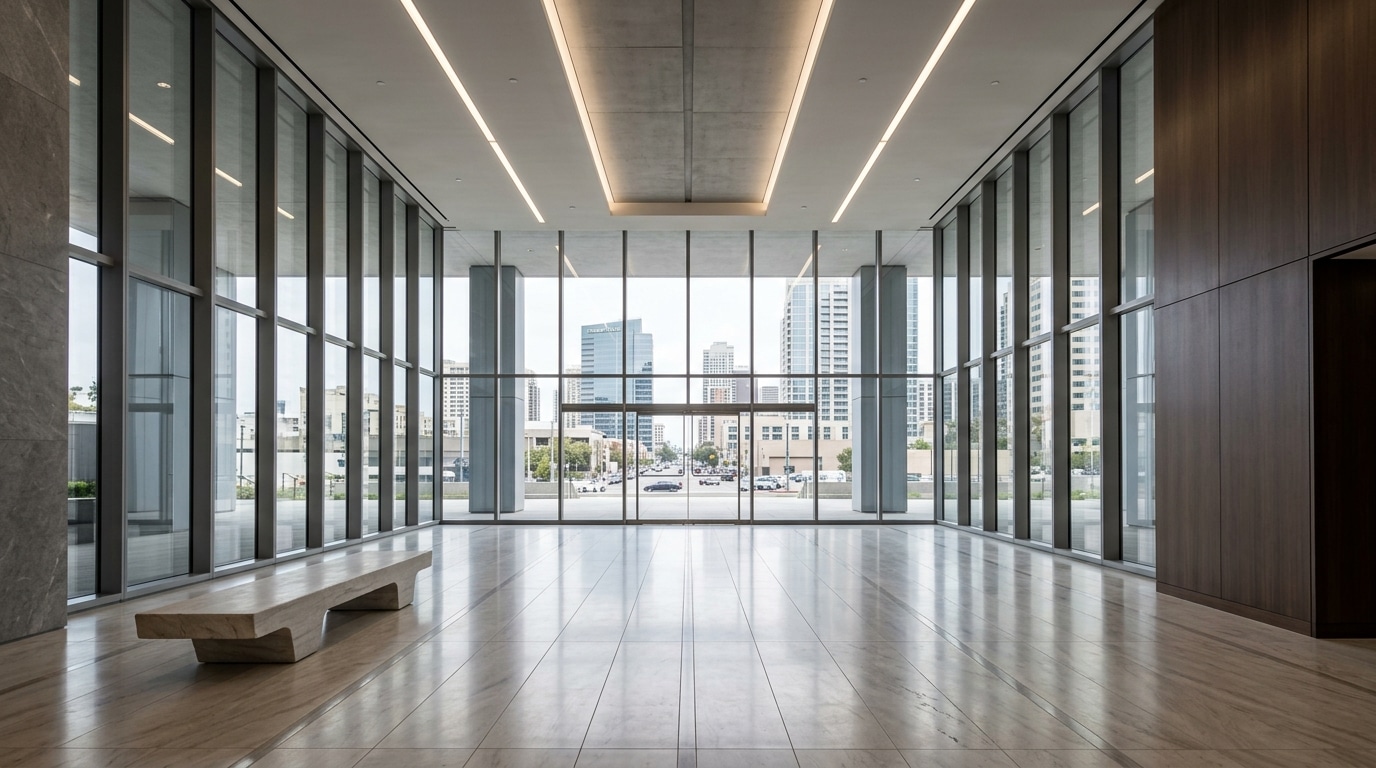
The same exercise from the other side. A clean hold case typically rests on three or four answers an owner can put on paper:
A forward five-year operating projection anchored to the current rent roll, not to a re-leasing story that assumes vacancy gets filled at rents above the comparable set. An NOI projection that needs a leasing miracle to work is not a hold case. It is a hope.
A clean view of the capital window. Major work coming due in the next twenty-four to thirty-six months should be priced at this week's bid levels (we pressure-test capital line items against current GC pricing under Lic. #1051408 the same week we draft them) and matched to a funding source. Reserve-funded capital is a different decision than refinance-funded or capital-call-funded capital. Both can be sound. They should be acknowledged decisions, not deferred ones.
A current understanding of the tax position on disposition. Depreciation recapture, capital gains exposure, suspended losses, basis position of partners or beneficiaries. The hold case is measured against the post-tax distribution, not the gross sale price. We have seen seven-figure differences between the two on assets that looked like obvious sells on the surface.
And, importantly, a current Broker Opinion of Value as the anchor. You cannot build a hold case in the abstract. You build it against a number that says, today, this is what the disposition alternative actually looks like.
"If I Sell, Where Does the Capital Go"

This is the question that quietly separates a strategy from a transaction.
A sell case that says "the proceeds will earn more elsewhere" without a defined plan for those proceeds is incomplete. For owners considering a 1031 exchange, the identification clock starts on day forty-five and the replacement closing has to occur by day one hundred eighty. Those timelines do not flex. The replacement pipeline, the financing assumptions for the next acquisition, and the underwriting on the next asset all have to be tested before the listing decision gets made, not after.
We have watched owners take a clean sell at a strong price and then deploy into a replacement asset that produced a worse yield on basis than the asset they just sold, because the replacement was identified under exchange pressure rather than at the owner's pace. The transaction was good. The decision was not.
If the proceeds are headed to distribution rather than reinvestment, the post-tax math is the same question viewed from the other end: what is the net distribution, and is that the right outcome for the ownership structure? For partnerships and trusts, the answer often involves people other than the named decision-maker. That conversation belongs in the sell case, not after the sale closes.
The Quiet Position: Drifting
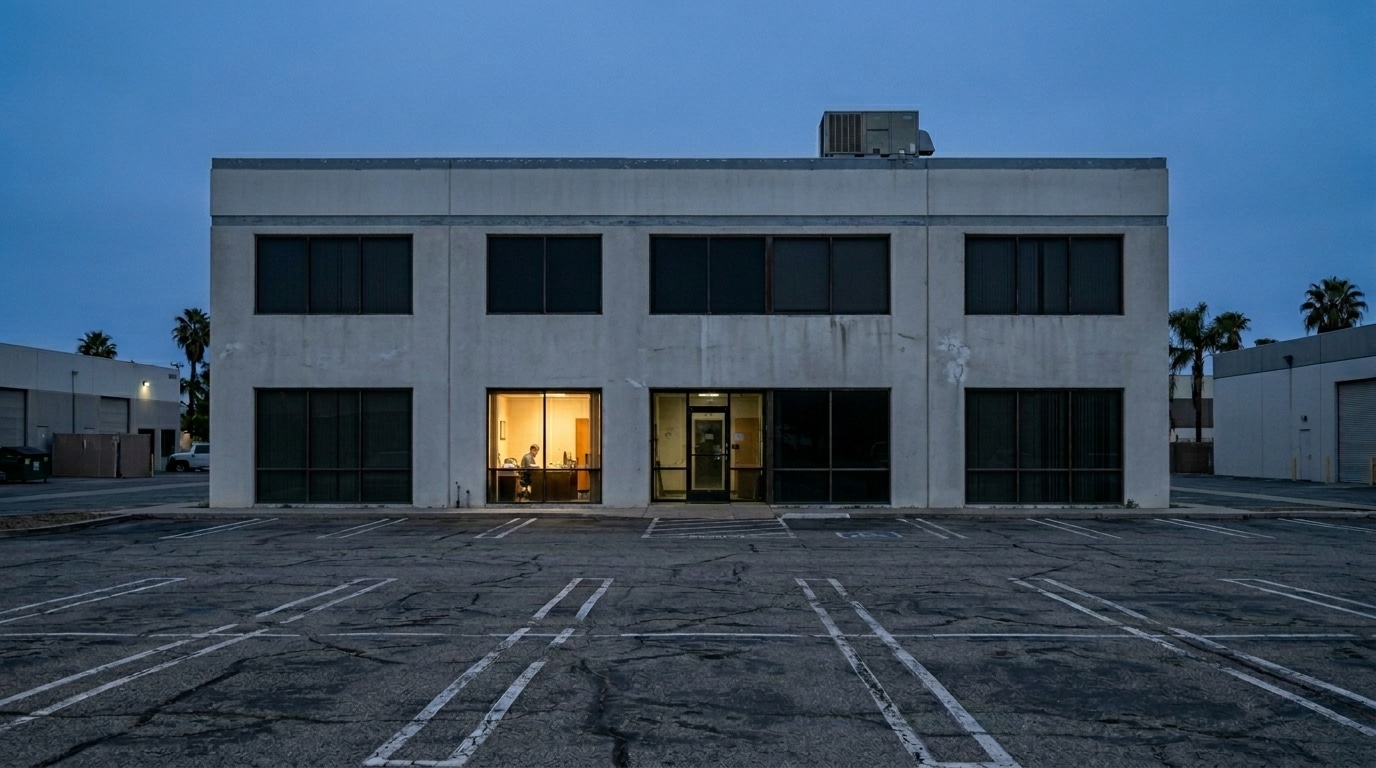
There is a third position most owners do not realize they are sitting in. The asset is producing acceptable cash flow. The last valuation was two or three years ago. Capital projects are being deferred, not refused, just deferred. The question of disposition has been mentioned in conversation but never formally put on the table.
This is the most expensive position in commercial real estate. Not selling at the wrong time. Not holding past the peak. Drifting.
The reason drifting is expensive is timing. The question of whether to hold or sell almost always becomes urgent before the owner expected: a major tenant gives notice, a roof fails, a partner needs liquidity, a trustee gets a deadline. At that point the decision happens under pressure and against a market that may not be cooperating. The same question, asked twelve months earlier on the owner's clock, would have produced more options.
The discipline that prevents drift is straightforward. Re-test the hold case once a year. Refresh the BOV alongside it. Update the five-year capital plan in the same cycle. That cadence does not force a sale. It forces a decision, which is the point.
What a Defensible Record Looks Like
For private owners, the sell-versus-hold conversation can stay informal. The record that matters is whatever the owner needs to make a confident decision and explain it to a partner or a CPA.
For fiduciaries, the standard is different. A defensible record on a hold-versus-sell decision under a trust, an estate, a conservatorship, or a receivership typically includes:
- A current Broker Opinion of Value, dated and underwritten against current submarket comps
- A written hold case with a five-year operating projection and a five-year capital plan, both anchored to the current rent roll and current bid-level pricing
- A written sell case with the post-tax math worked through and a defined plan for the proceeds (whether reinvestment or distribution)
- A summary of the tax position on disposition prepared in consultation with the CPA
- A documented decision rationale that ties the chosen path to the duty owed to the beneficiary or estate
We support fiduciaries in assembling this record. We do not act as the fiduciary. The ultimate decision rests with the appointed representative and their counsel, and the boundary on that is non-negotiable.
A BOV by itself is the most common gap we see in fiduciary files. It is also the easiest to close. A BOV is not an appraisal and is not a listing pitch. It is a market-grounded estimate of what the asset would transact at today, against current comps, current cap rates, and a working underwriting of the rent roll and operating expenses. For a fiduciary, it is the anchor every other document in the record gets tied back to.
Seven Documents Before You Pick a Side

Whether the ownership context is private or fiduciary, the same set of documents should be on the table before either path gets committed to:
- A current rent roll with all critical lease dates, escalations, and option terms
- A five-year operating projection built off that rent roll
- A five-year capital plan with bid-tested estimates, not per-foot rules of thumb
- A current Broker Opinion of Value
- A summary of the tax position on disposition, prepared with the CPA
- A written hold case and a written sell case, each with its assumptions on paper
- A clear answer to where the capital goes if the answer is "sell"
If any of those is missing, the decision is premature. That is true for a private investor with one asset and it is true for a family office holding twenty. The size of the portfolio does not change the work. It changes who sits in the room while the work gets done.
Where We Come In
ScottWay Commercial supports private investors, family offices, partnerships, and fiduciaries through hold-versus-sell decisions on office, retail, industrial, and mixed-use assets across San Diego County and greater Southern California. We bring a Broker of Record's view of the market (DRE #01777939) and a licensed General Contractor's view of the building (Lic. #1051408) under a single accountable partner. The BOV, the five-year operating and capital projection, and the construction-backed view of what the asset actually needs all get produced in one workflow rather than handed across firms.
Our role is to put the analysis on the table. The decision is the owner's. Where a fiduciary is involved, the decision rests with the appointed representative and their counsel.
If you are working through a sell-versus-hold question on a San Diego asset, we are happy to put a current view in front of you. Call (619) 209-3544 or request a property review at scottwaycre.com.