
The annual budget is the one document an owner can keep using all year, or the one document an owner files in October and never reopens. The difference is not the spreadsheet. The difference is whether the budget was built to be reported against month by month, and whether it was built against the actual mechanics of how the asset earns money, holds value, and consumes capital.
This piece is for the second case. It walks through what makes a working operating and capital plan, and the questions an owner should be able to answer with the budget document open in front of them.
Six Questions Worth Asking Before You Sign Next Year's Plan

Most CRE budgets fail in two places: the inputs were wrong, and nobody opened the document again until the next budget cycle. The first failure is technical. The second is operational. Both are avoidable if the budget is structured to answer a defined set of questions every month.
Before approving any commercial property budget, an owner should be able to answer the following with the document open:
- What is the projected NOI, and which assumptions does it depend on?
- Which leases roll during the budget year, and what TI and downtime are loaded against each?
- What is the reserve balance at year-start, the target balance at year-end, and the planned contributions to get there?
- What capital projects are committed, what is bid, and what is still an estimate?
- What variance threshold triggers a written explanation in the monthly report?
- Who signs off on a variance above that threshold?
If any of those answers requires a phone call to the manager, the budget is not yet a working plan. It is a draft.
Two Plans, Two Horizons
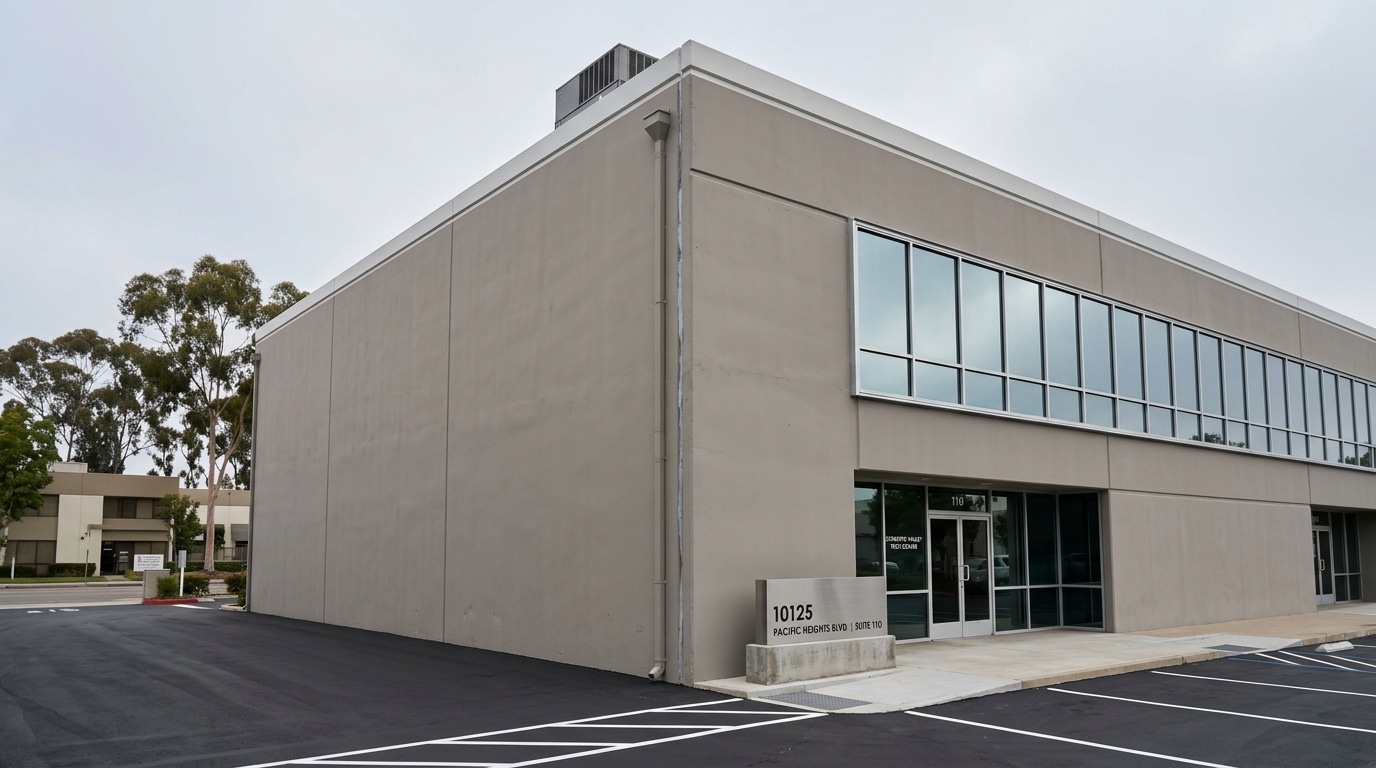
Operating and capital are different exercises. They sit on different time horizons, draw from different funding sources, and answer different decision rules. They should never live in one document.
The operating side governs the twelve-month income statement: revenue, recoverable and non-recoverable expenses, and net operating income. It is the document monthly variance reports are generated against, and the document the property manager is held to account on.
The capital side governs reserves, capital projects, and tenant improvement obligations across a rolling multi-year window. It answers whether the asset will still be competitive five years from now. It does not flow through NOI and should not be conflated with operating performance.
Blending the two budgets produces two predictable surprises. A strong operating year can mask a capital backlog that has been compounding quietly. A deferred-maintenance event can land on the income statement as an operating overrun, when really it was a capital decision that never got made.
Inside the Operating Side: Four Inputs That Govern the Year
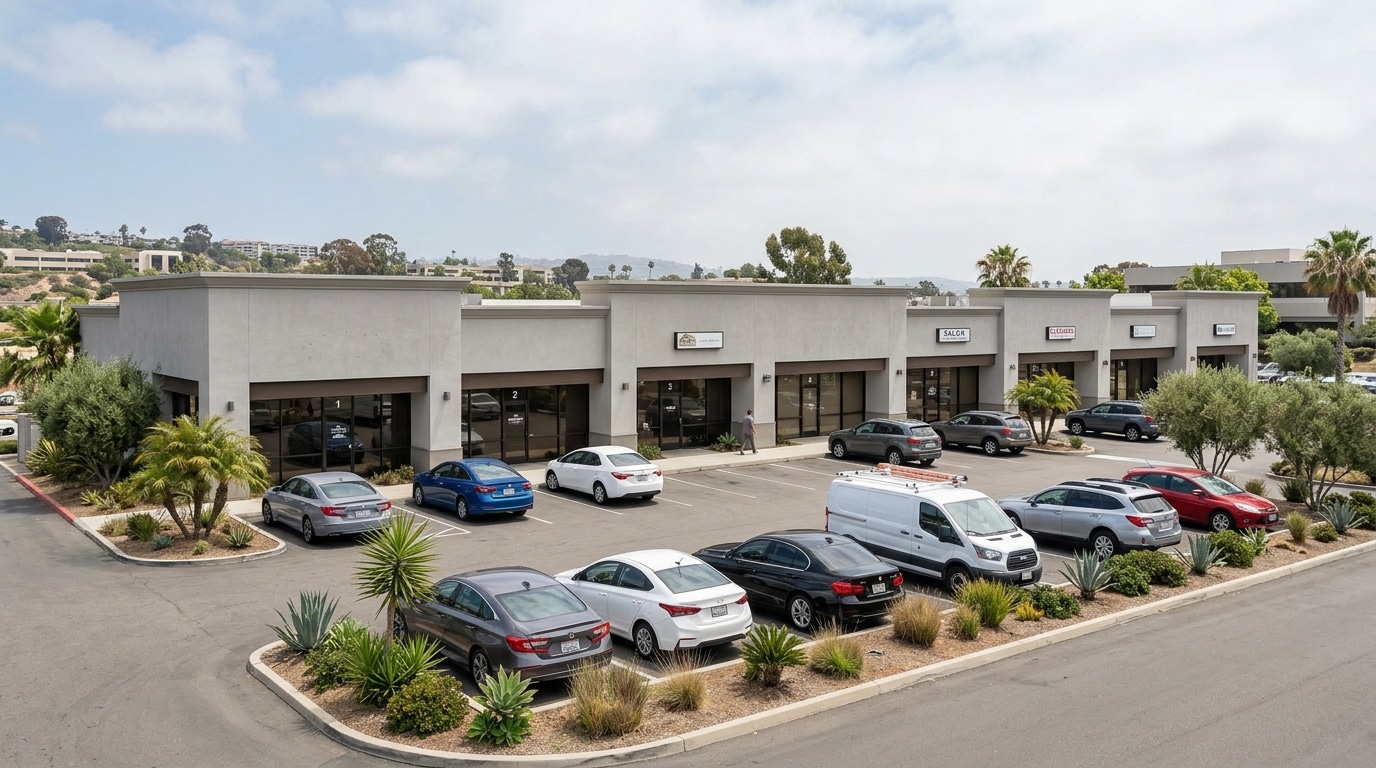
A working operating budget is built from four inputs, in this order.
Rent roll first. Not last year's revenue average. A current, line-by-line rent roll, with every lease's escalation date, renewal date, and option terms loaded into the projection. A budget built on top-line averages will miss the timing of an escalation, a percentage-rent threshold, or a contraction option. Timing is where variance lives.
Recoverable expense projections. CAM, real estate taxes, and insurance projected against actual contracts, actual reassessment exposure, and actual policy renewals. Not a year-over-year percentage bump. A clean year-end reconciliation depends on the budget being built the same way the recovery is calculated.
Non-recoverable expense projections. Management fees, legal, audit, and any ownership-level cost that does not pass through to tenants. These are the items most often understated in early drafts.
Vacancy, downtime, and collection loss. A budget that assumes one-hundred-percent occupancy across the year is not a budget. A budget that loads expected vacancy by suite, with realistic downtime between tenants and a defensible collection-loss assumption, is a working forecast.
The output is a projected NOI. That number is what the owner should be reporting against every month.
Inside the Capital Side: A Five-Year Plan Priced at This Week's Numbers
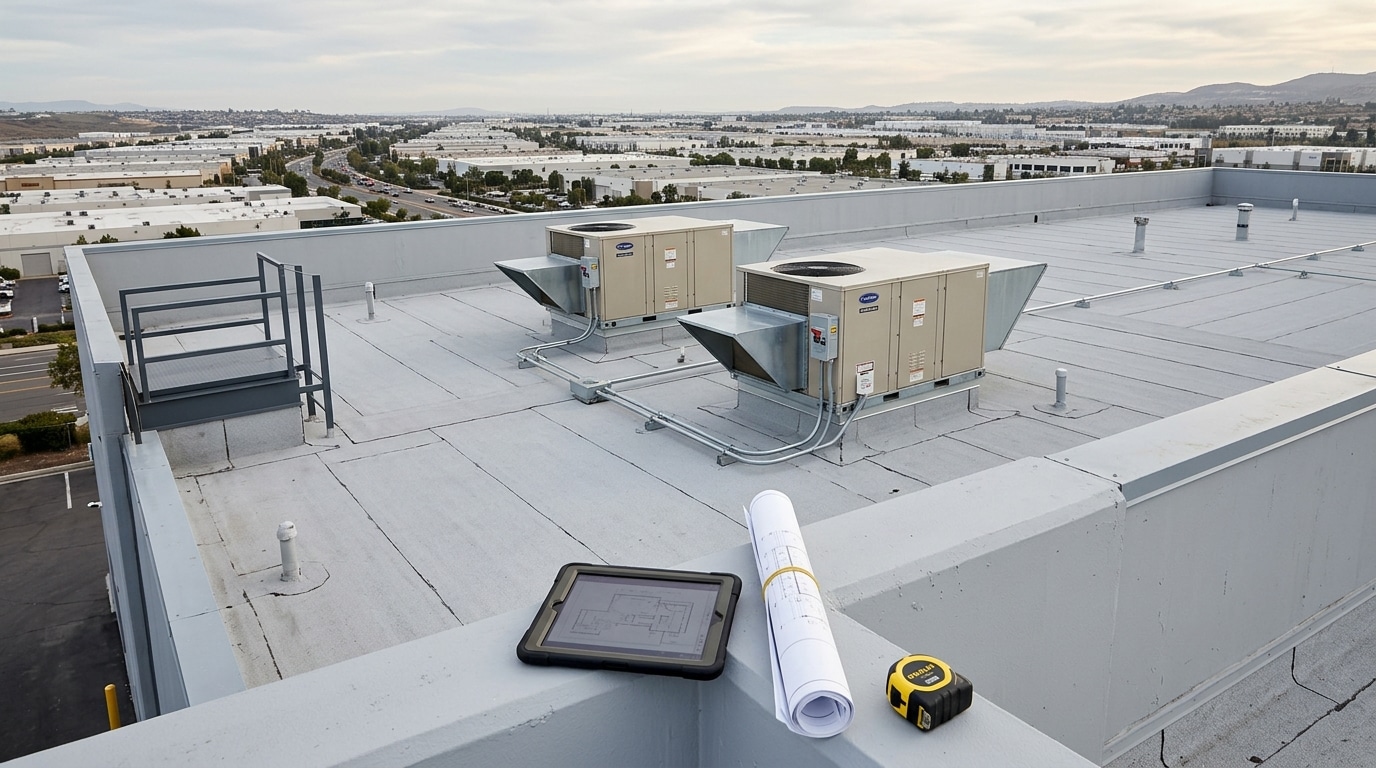
The capital plan covers a rolling five-year window. It includes:
- Roof, HVAC, parking lot, and major systems, projected against actual remaining useful life rather than a generic depreciation schedule.
- Common-area and lobby refreshes, sequenced against the building's competitive set and the leasing cycle.
- Tenant improvement obligations, both contractual TI allowances on signed leases and projected allowances for upcoming renewals or new deals.
- Code, ADA, and seismic exposure, anything that may be triggered by a future permit or sale.
- Reserve contributions: funded amount, target balance, and burn rate over the planning window.
A capital plan that exists only as a one-year line is not a capital plan. It is a checkbook. The point of a multi-year view is to know, twenty-four months out, what the building will actually need so that capital can be raised, distributions can be timed, and reserves can be funded against a known plan rather than against surprise.
This is also where the integrated model changes the numbers in the spreadsheet. A property manager without construction visibility is forced to size capital items off vendor estimates, prior-year actuals, or per-foot rules of thumb. Those numbers are usually wrong (sometimes meaningfully wrong), and the variance shows up two years later when the project is actually bid.
ScottWay carries a CA General Contractor license, #1051408, alongside the CA Real Estate Broker license, #01777939. Capital line items in the budgets we build get pressure-tested against current bid-level pricing the same week the budget is drafted. A roof replacement, a parking-lot reseal, a TI build-out, an elevator modernization: each one is sized against current materials lead times, current labor availability in San Diego, and current bid-level pricing. The result is a capital number an owner can fund against. Not a placeholder that needs revising every time a real bid lands.
Cadence Is What Makes the Budget a Tool

A budget that is built in October and not opened until the following October is paperwork. A budget that is reported against month by month is a management tool. The reporting cadence we run for owners and fiduciaries is built on three layers.
Monthly. An owner statement that shows actuals against budget, line-by-line variance commentary on items above a defined threshold, and a current cash position. CAM, real estate tax, and insurance accruals are tracked separately so the year-end reconciliation does not surprise anyone.
Quarterly. A forward look that re-forecasts the remainder of the year based on actuals to date, signed leases, and known capital commitments. This is the document where the question "are we still on plan" gets answered honestly.
Annually. The budget rebuild, anchored to the next twelve months of operations and the rolling five-year capital plan. This is also the natural moment to refresh a Broker Opinion of Value and re-test any hold-versus-sell assumptions.
Owners, and especially fiduciaries, should expect this cadence from any commercial property manager. If the reporting calendar in front of you today is "the statement when I ask for it," the budget is not functioning as a management tool.
How We Can Help
ScottWay Commercial builds annual operating and capital budgets for office, retail, industrial, and mixed-use assets across San Diego County. Our budgets are pressure-tested against both market rents and current construction pricing, and reported against monthly through investor-grade owner statements with CAM reconciliation and variance analysis structured for private investors, family offices, partnerships, and fiduciaries.
If the budget on your desk this year is not telling you what it should, we can rebuild it.